Quick Answer
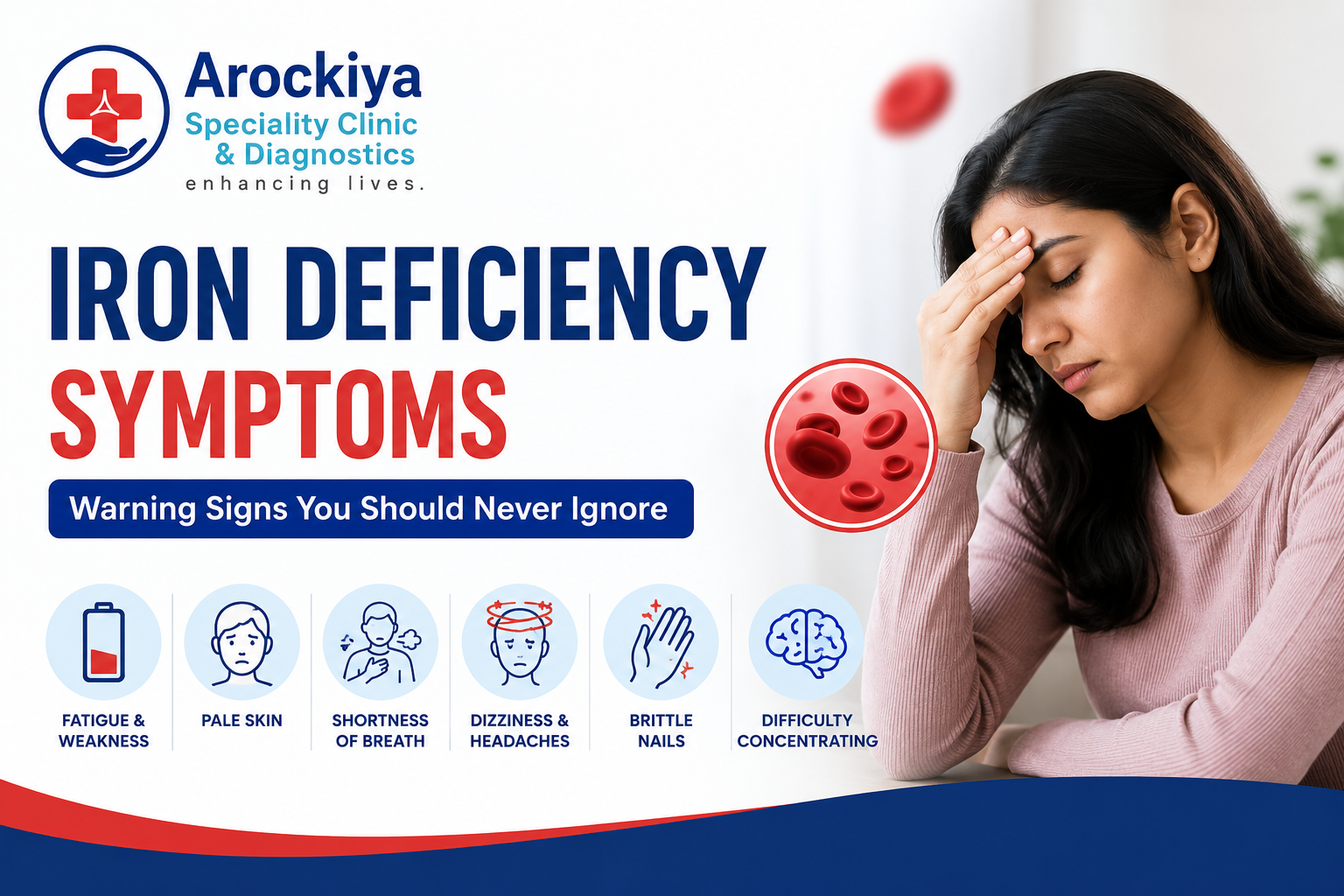
Symptoms of iron deficiency include weariness, weakness, pale complexion, shortness of breath, dizziness, headaches, brittle nails, and difficulty concentrating. Symptoms often develop slowly, making them initially noticeable. Identifying early warning signals can enable you to seek medical assistance before your entire health starts to be impacted by iron deficiency.
5 Important Things To Remember
- Iron deficiency symptoms can develop slowly and may be easy to miss.
- Common symptoms are fatigue, weakness, pallor, dizziness, and shortness of breath.
- Women are more susceptible to acquiring iron deficiency, especially pregnant women or women who have heavy periods.
- Low iron levels could impact your energy, focus, and everyday activities.
- Catching the warning signals early can help stop many health problems.
Introduction
Iron is an important mineral that helps your body make healthy red blood cells and carry oxygen around your body. If your body doesn’t have enough iron, it may not generate enough healthy red blood cells, which can lead to signs of iron deficiency.
Many people have low iron symptoms and don’t understand why. Constant fatigue, shortness of breath during simple activities, difficulty concentrating, and other related problems may not always be caused by stress or lack of sleep. These might be indicators of iron insufficiency. Please take the time to familiarize yourself with the warning signs and consult your doctor promptly.
What Is Iron Deficiency?
Iron deficiency is the lack of adequate iron in your body to meet its daily needs. Iron is needed to make hemoglobin, which is a protein in red blood cells and carries oxygen around the body.
If you don’t have enough iron, your body may not obtain enough oxygen. Therefore, many of the symptoms of iron deficiency affect your energy, muscles, and cognitive function. An untreated iron deficiency can gradually start to display symptoms of iron deficiency anemia, which may become more obvious as time goes on.
Common Symptoms of Iron Deficiency
Symptoms of iron insufficiency may differ from person to person. Some people have minimal symptoms, while others find that the symptoms affect their daily lives.
Persistent Tiredness
Feeling constantly exhausted is one of the most common symptoms of iron deficiency. You can wake up after a good night’s sleep and still not feel energetic.
Fragility
Low iron can decrease the amount of oxygen available to your muscles. Normal activities can seem more challenging than they would normally.
White Skin
If you are iron deficient, you may notice your skin, lips, or the inside of your eyelids looking paler than usual.
Dyspnea
You may find it difficult to breathe during activities that were previously easy for you because your body is receiving less oxygen.
Light-headedness or Dizziness
Some people feel dizzy or light-headed, especially when they get up rapidly.
Common Headaches
The brain may not be getting enough oxygen and this might induce headaches.
Brittle Nails
Sometimes, brittle or weak nails can be one of the signs of iron deficiency but not everyone will have this symptom.
Trouble Concentrating
Low iron levels can impact brain function, and some people have trouble concentrating, remembering information, or staying attentive during the day.
Why Iron Deficiency Symptoms Often Go Unnoticed
Symptoms of iron deficiency develop slowly. People often attribute their exhaustion to work, family commitments, lack of sleep, or a busy lifestyle.
Many people are unaware the reason may be iron deficiency, as the symptoms are common and usually develop slowly. This is one of the reasons why symptoms of iron deficiency anemia may be missed until the condition is advanced.
Who Is More Likely to Develop Iron Deficiency Symptoms?
Iron deficiency can happen to anyone, although some people are more likely to get it.
You might be more at risk if you:
- You are a woman who has heavy menstrual cycles.
- Are pregnant.
- I just had a baby.
- Eat a low-iron diet.
- Have digestive disorders that interfere with iron absorption.
- Persistent blood loss.
- A child or teenager going through times of fast growth.
Monthly blood loss from periods makes women more likely to experience iron deficiency symptoms in women. Similarly, iron deficiency symptoms in females may become more obvious during pregnancy or breastfeeding due to increasing iron needs.
When Should You See a Doctor?
If you have, you should contact a healthcare professional.
- Ongoing weariness that does not get better with rest.
- Continued weakening.
- Shortness of breath with routine activity.
- Repeated spells of dizziness.
- Pale faces.
- Can’t concentrate.
- Symptoms lasting for several weeks.
Many of these signs may also be caused by other medical disorders. A medical evaluation can help find out the exact cause.
Summary
Iron deficiency symptoms develop slowly and are commonly missed in the early stages. Common warning signs include fatigue, weakness, paleness, shortness of breath, lightheadedness, headaches, brittle nails, and difficulty concentrating.
Recognizing these signs early could help you get medical advice before iron deficiency affects your general health. If you find yourself experiencing more than one of these warning signals, it’s crucial to see a healthcare physician for proper examination.
Frequently Asked Questions (FAQs)
Common symptoms include fatigue, weakness, pale complexion, dizziness, headaches, shortness of breath, brittle nails, and trouble concentrating.
Sure. Feeling fatigued all the time is one of the most prevalent symptoms of iron deficiency.
You may feel fatigued, weak, pale, and dizzy and have less concentration than normal.
Yes. Women are more susceptible to iron shortage because of menstruation, pregnancy, and higher iron needs.
Yes. Some people experience headaches when they have low iron levels. Low iron levels might lower the amount of oxygen to the brain.
If symptoms don’t improve after a few weeks, get worse, or start to impact your everyday life, see a doctor.
Yes. Once an appropriate medical assessment and treatment depending on the cause are given, many patients feel better.
Author Bio:

Dr. Preethi
M.B.B.S., MD (DVL)
Dr. Preethi M, M.B.B.S., MD (DVL), is a dermatologist with a special focus on acne and laser treatments. She completed her post-graduation from SRM Medical College and currently practices at Arockiya Clinic in Navalur. With a patient-centered approach, she offers expert care in both medical and cosmetic dermatology.