Five Important Points to Remember from This Article
- High blood pressure can develop without any noticeable symptoms.
- Early warning signs include headaches and dizziness.
- Don’t ignore blurred vision and chest discomfort.
- Sometimes, persistent fatigue may be related to rising blood pressure.
- Early diagnosis and treatment can help prevent serious health complications.
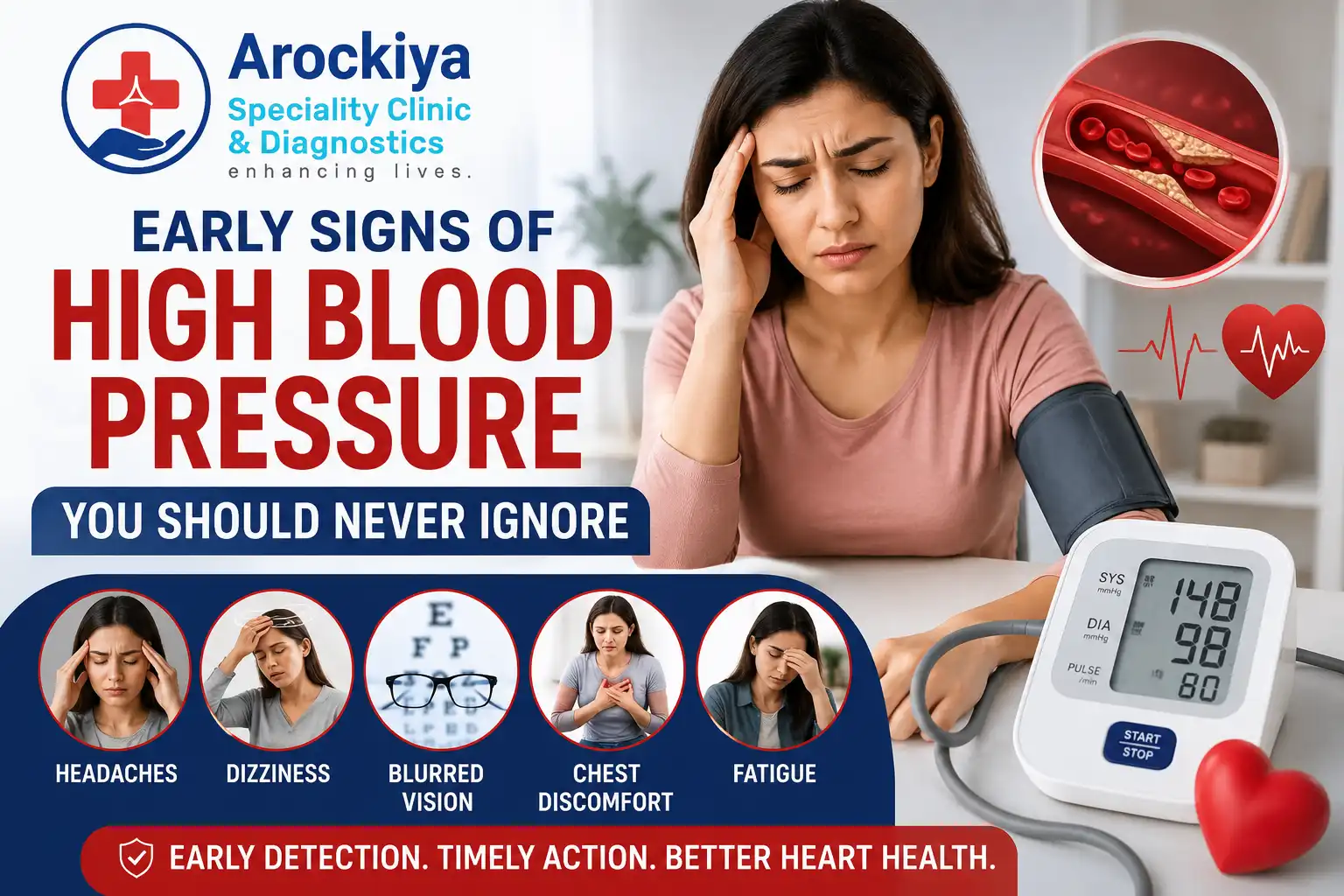
High blood pressure, or hypertension, is one of the most common health problems among adults today. This is often referred to as a “silent killer”, as many people don’t notice symptoms until the later stages. But the body can still send warning signals that should never be ignored.
Recognising the early warning signs of high blood pressure could help you prevent serious complications such as heart disease, stroke, and kidney problems. Knowing these symptoms and getting medical attention early can make a big difference to protecting your long term health.
What Is High Blood Pressure?
High blood pressure means the pressure of blood against the artery walls is too high. Over time, this pressure can damage blood vessels and place additional strain on the heart.
People often think that high blood pressure always has serious symptoms, but the truth is that high blood pressure symptoms can be very mild, especially in the early stages, and easy to ignore. That is why it is important to have regular health check-ups.
A normal reading for blood pressure is about 120/80 mmHg. Readings consistently above this level may suggest hypertension.
Common Early Symptoms Of High Blood Pressure
Signs of high blood pressure can be different for different people. Some people will have multiple signs, while others may only have one or two.
Chronic Headaches
One of the most common early signs of high blood pressure is recurring headaches. The headaches can be frequent, especially in the morning hours.
The pain is often described as throbbing pain in the temples or at the back of the head. Headaches can be caused by many things but persistent headaches without explanation should not be ignored.
When Headaches Are a Problem
- Headaches, frequent, origin unknown
- Severe headaches, dizziness
- Headaches in the morning that last several days
Persistent headaches with high blood pressure readings require a medical evaluation.
Dizziness & Lightheadedness
Feeling dizzy or lightheaded at times may not always mean hypertension, but when it happens often, it can sometimes be linked to blood pressure changes.
If you have high blood pressure you can affect your blood circulation and make the oxygen not flow properly and feel out of balance or faint.
Signs To Look For
- Sudden dizziness when getting up
- Feeling wobbly in everyday activities
- Repeated episodes of lightheadedness
If dizziness happens repeatedly with symptoms such as blurred vision or chest discomfort, it is important to seek medical attention.
“Visual Blurring”
As the pressure increases, it can affect the blood vessels in the eyes and sometimes vision problems can develop.
If you have high blood pressure you may have:
- Blurry Vision
- Trouble focusing
- Eye strain
- Transient visual problems
Ignoring these symptoms can increase the long-term risk of eye damage. Sudden or repeated changes in vision need to be checked by a doctor.
Why Your Vision Changes
High blood pressure can damage the tiny blood vessels in the retina. Reduced blood flow can make it harder to see clearly.
Regular eye exams can sometimes catch blood pressure problems early.
Chest pain or shortness of breath
Mild chest discomfort can have different causes, but it should never be ignored if it is accompanied by other high blood pressure symptoms.
Some people might feel breathless when doing simple physical activities like walking or climbing stairs.
Symptoms Requiring Immediate Attention
- Tightness or pressure in the chest
- Trouble breathing
- Fast heart rate
- Exercise-related pain
Such symptoms may be a sign of the additional load high blood pressure is placing on your heart and blood vessels.
Other Signs That May Point to High Blood Pressure
In addition to the more common symptoms, there are some other early signs that some people may experience.
Endless Fatigue
Sometimes if you feel extremely tired even with enough sleep, it could be linked to hypertension. High blood pressure means the heart has to work harder and this can cause low energy.
Typical Signs of Tiredness
- Tired all day long
- decreased energy during routine tasks
- Trouble concentrating
Fatigue can be caused by many things, but persistent tiredness along with other symptoms should not be ignored.
Nosebleeds (epistaxis)
Frequent nosebleeds don’t always mean you have high blood pressure. But in some cases, high blood pressure can cause the blood vessels inside the nose to weaken.
A nosebleed now and then may not be anything to worry about, but if you have them again and again, you may want to see a doctor.
Facial Redness
Individuals with high blood pressure may complain of redness or flushing of the face. This can happen when blood vessels expand due to increased pressure or stress.
Facial flushing isn’t a guaranteed sign of hypertension, but it may happen here and there with others.
First Signs of Sickness Never to be Ignored
Ignoring the warning signs of high blood pressure can cause serious long-term complications.
Increased Heart Disease Risk
When blood pressure is not under control, the heart has to work more. Over time this can weaken the heart and increase the risk of heart conditions.
Increased risk of stroke
High blood pressure can cause damage to blood vessels and lead to stroke.
Damage to Kidney and Eye
Over time, high blood pressure can damage the blood vessels of the kidneys and eyes and affect how they work.
Silent Progression of the Disease
One of the worst things about hypertension is that it gets worse without anybody knowing. Many people only discover they have the condition when they develop complications.
early identification of symptoms will permit people to receive treatment before serious health problems develop.
When to See a Doctor?
It is important that you see a doctor if you have symptoms that keep coming back or get worse over time.
You should see a doctor if you notice:
- Headaches often
- Continued dizziness
- Vision is blurry
- Chest pain
- Breathless
- Repeatedly high blood pressure readings
Early diagnosis and management of blood pressure helps to lower the risk of complications.
Regular health checkups and monitoring blood pressure are important, especially for adults with a family history of hypertension, obesity, diabetes or heart disease.
Summary
High blood pressure usually develops without any symptoms, but the body can give early warning signs and these should never be ignored. Headaches, dizziness, blurred vision, fatigue and chest discomfort can all be signs that your blood pressure is rising.
The early detection of these signs and the prompt medical attention can help prevent serious complications in the future. Constant monitoring and proper medical guidance is important in maintaining healthy blood pressure and protecting overall heart health.
Frequently Asked Questions (FAQs)
Early signs are headaches, dizziness, blurred vision, fatigue and shortness of breath.
Yes. In the early stages, many people with hypertension may not notice any symptoms.
No. Headaches can have many causes, but frequent headaches of unknown origin should be evaluated by a physician.
Yeah. Blurry vision can be a result of high blood pressure damaging the blood vessels in the eyes.
For adults, regular blood pressure checks are recommended, particularly if symptoms or risk factors are present.
If you feel dizzy or lightheaded often , this can sometimes be related to blood pressure changes .
As many people may not have symptoms until serious complications develop.
Author Bio:
Dr. Preethi
M.B.B.S., MD (DVL)
Dr. Preethi M, M.B.B.S., MD (DVL), is a dermatologist with a special focus on acne and laser treatments. She completed her post-graduation from SRM Medical College and currently practices at Arockiya Clinic in Navalur. With a patient-centered approach, she offers expert care in both medical and cosmetic dermatology.