
Quick Answer
Some indications of vitamin D insufficiency include fatigue, muscle weakness, bone discomfort, recurrent illness, hair loss, low mood, and sluggish wound healing. These symptoms can be subtle and progressive. Catching the warning signals early will help you get medical advice before the deficiency begins to impact your overall health.
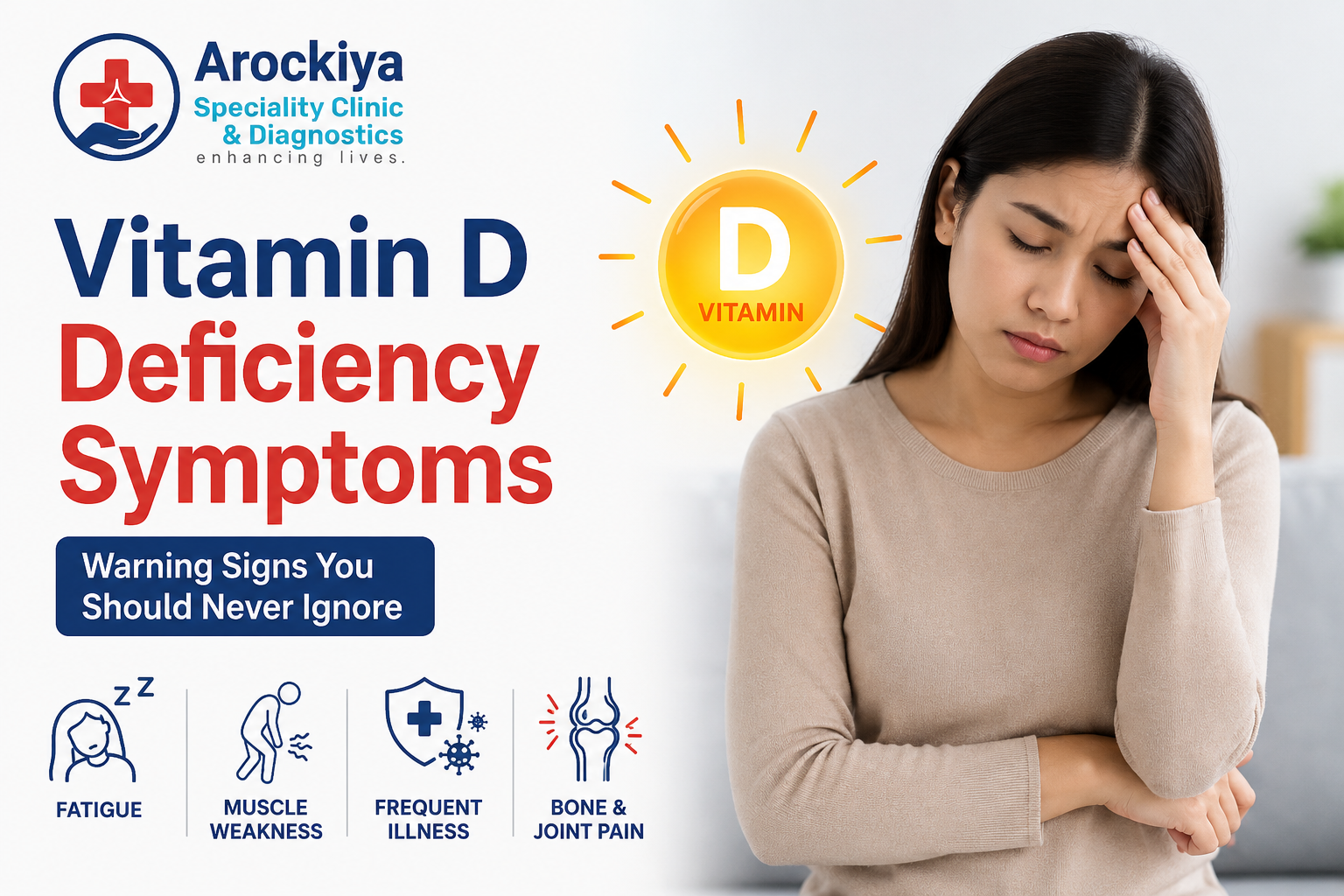
Vitamin D is an essential mineral for bone, muscle, and immunological health. It also helps to support appropriate muscle mobility and enables your body to absorb calcium properly. Too little vitamin D can have effects on numerous sections of your body.
Many people suffer from vitamin D deficiency symptoms without knowing why. You may think that being exhausted all the time, having muscle aches, or feeling ill a lot is just typical stress or lack of sleep. But these symptoms may also be an indication that your body isn’t getting enough vitamin D. Knowing the warning signals helps you catch the problem early and get the right medical attention.
What Is Vitamin D Deficiency?
Vitamin D shortage is when your body doesn’t have enough vitamin D to carry out its usual tasks. Vitamin D is essential for strong bones, muscles, neurons, and the immune system; therefore, low levels of vitamin D can gradually impact your general health.
Many people ask, “What are the symptoms of vitamin D deficiency?” What is the answer? Symptoms are frequently sluggish to show and may become more obvious as time goes on. They develop gradually, and many people overlook them until they begin to disrupt daily life.
What Are the Common Vitamin D Deficiency Symptoms?
Vitamin D insufficiency symptoms might differ from person to person. For some people, the pain is minimal. For other people, symptoms interfere with daily life.
Chronic Fatigue
One of the most prevalent vitamin D deficiency symptoms is feeling fatigued all the time. Even having enough sleep, you may still feel low on energy during the day. This persistent tiredness might disrupt employment, studies, and everyday activities.
Muscular Weakness
Vitamin D is necessary to maintain muscle strength. Low amounts of vitamin D can induce muscle weakness, making it difficult to climb stairs, lift objects, or do routine everyday activities.
Joint and Bone Pain
Sometimes, a vitamin D deficiency might be connected to persistent pain in the bones, joints, or lower back. Low amounts of vitamin D can impair bone health and create discomfort because vitamin D helps your body absorb calcium.
Common Health Problems
Vitamin D helps the immune system. Low vitamin D levels can weaken the immune system, making you more prone to colds, flu, and other illnesses.
Hair Loss
There are numerous potential causes of hair loss, but for some people, low vitamin D levels could be a contributor to excessive hair shedding. If hair loss continues as well as other symptoms, it should not be disregarded.
Depressed Mood
Low mood, lack of enthusiasm, or trouble concentrating might be experienced by those with low vitamin D levels. There can be various causes of these symptoms, but one of them can be low vitamin D.
Delayed Wound Healing
Sometimes low vitamin D levels are related to cuts, scratches, or other minor wounds taking longer than they should to heal. Healthy vitamin D levels enhance the body’s natural healing process.
Cramps in Muscle
Some individuals get muscular cramps or muscle aches that are not from strenuous physical activity. These symptoms can be more noticeable with routine motions.
Why Are Vitamin D Deficiency Symptoms Often Ignored?
Many people disregard the signs of vitamin D insufficiency because they usually develop slowly. Feeling fatigued, feeling physical aches, or suffering muscle weakness is commonly blamed on stress, busy work schedules, inadequate sleep, or ageing.
That is one reason why vitamin D deficiency symptoms One reason for the delayed recognition of vitamin D deficiency symptoms is their gradual onset. later than they should be. People may not realize that insufficient vitamin D could be the actual cause because the symptoms are similar to many other health concerns.
Knowing what causes vitamin D insufficiency symptoms to become visible is crucial since continuous deficiency can harm your bones, muscles, and overall well-being.
Who Is More Likely to Develop Symptoms of Vitamin D Deficiency?
Vitamin D shortage can happen to anyone; however, some individuals are more likely to suffer from vitamin D deficiency symptoms.
You might be at higher risk if you:
- Spend some time outdoors.
- Are you an older adult?
- Be darker-skinned.
- Are overweight or obese.
- Have digestive disorders that interfere with nutrient absorption.
- Eat relatively few foods high in vitamin D.
People in these groups should watch for any warning signals and seek regular health check-ups if they continue to have symptoms.
Some symptoms such as tiredness and weakness may also be seen in people with Vitamin B12 Deficiency Symptoms: Warning Signs You Should Never Ignore.
When to See a Doctor?
If you have a problem: See a healthcare provider.
- Persistent fatigue that is not relieved by rest.
- Muscle weakness that impairs everyday life.
- Persistent bone or joint pain.
- Repeated infections.
- Slow healing of wounds.
- Hair loss and other symptoms.
- For a few weeks, I have been feeling low.
Many of these symptoms can also be caused by other medical issues. A medical assessment can assist in pinpointing the exact cause and proposing the appropriate treatment.
Summary
Signs of vitamin D deficiency typically develop gradually and may be easily overlooked. Warning indications include persistent tiredness, muscle weakness, bone pain, recurrent illnesses, hair loss, low mood, sluggish wound healing, and muscle cramping.
If you can identify these signs early on, you can get medical advice before the deficiency starts to harm your general health. If you see more than one of these warning signs, you should see a doctor for a proper evaluation.
Frequently Asked Questions (FAQs)
Typical symptoms are feeling fatigued, muscle weakness, bone discomfort, recurrent illness, hair loss, depression, and poor wound healing.
Yes. [1] One of the most common symptoms of vitamin D insufficiency is feeling weary all the time, even when you receive adequate sleep.
Yes. Low vitamin D levels can decrease muscle strength, making daily tasks more challenging.
Symptoms typically develop gradually and are often confused with the effects of stress, ageing, or lack of sleep.
Older persons, people with less sun exposure, people with darker complexions, people who are overweight, and people with digestive diseases are at increased risk.
See a doctor if symptoms persist for many weeks, worsen, or start impacting your everyday life.
Yes. A lot of people notice an improvement following a proper medical evaluation and appropriate treatment based on the reason for insufficiency.
Author Bio:

Dr. Preethi
M.B.B.S., MD (DVL)
Dr. Preethi M, M.B.B.S., MD (DVL), is a dermatologist with a special focus on acne and laser treatments. She completed her post-graduation from SRM Medical College and currently practices at Arockiya Clinic in Navalur. With a patient-centered approach, she offers expert care in both medical and cosmetic dermatology.