
Five Important Points to Remember from This Article
- Heart attacks are becoming more common among people under 40.
- Many young adults have hidden risk factors despite appearing healthy.
- High cholesterol, diabetes, smoking, and stress can increase heart attack risk.
- Family history can play a major role in early heart disease.
- Regular health checkups and lifestyle changes can help reduce the risk.
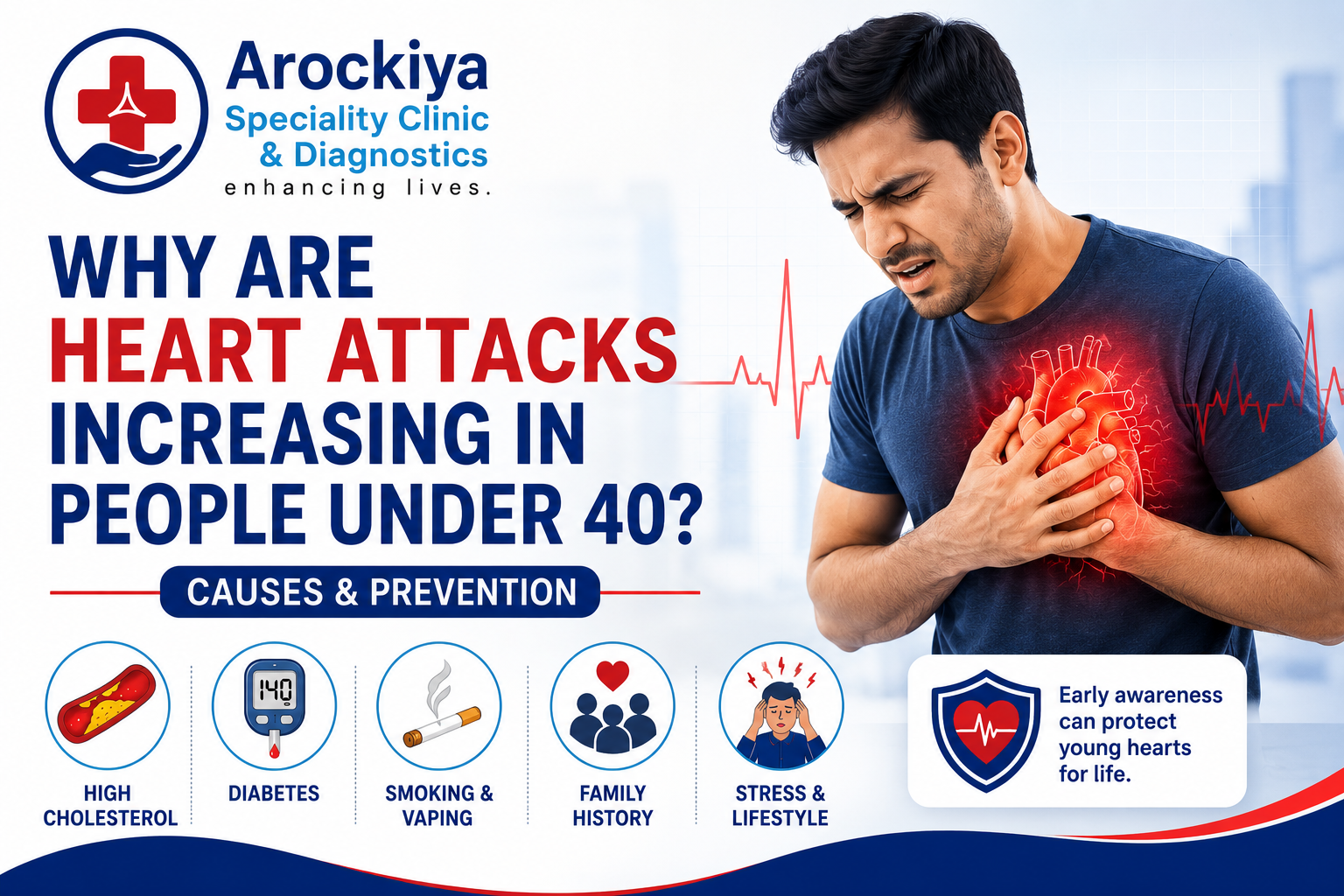
Heart attacks used to be considered a health risk only for older people. However, doctors are increasingly finding more and more heart attacks in patients under the age of 40. This development has worried health professionals, as many of these people appear healthy, active, and without severe health problems.
The truth is, there are several underlying variables that can increase your risk for heart disease at an early age. Knowing the causes can help young folks take preventive action before major difficulties develop.
Why Are Young People Having More Heart Attacks?
In recent decades, modern lifestyles have drastically changed. High stress levels, long working hours, poor sleeping patterns, improper eating choices, and low physical activity can all impact heart health.
For many young adults, sitting is the norm, whether they’re at work, sitting in traffic, or at home. In addition to processed meals and lack of exercise, sedentary behaviour can lead to weight gain, high cholesterol, and high blood pressure. These disorders may develop slowly and not cause visible symptoms in their early stages.
Heart disease can grow slowly for years before a person knows there is a problem.
Concealed Risk Factors Not To Be Overlooked
Many people think that heart attacks only happen to those who look ill. But even fit-looking young adults could have multiple hidden risk factors that enhance their chances of heart disease.
High cholesterol levels
High cholesterol can lead to fat deposits building up inside the arteries. These deposits can restrict blood flow to the heart over time and raise the risk of a heart attack.
Diabetes
Diabetes can harm blood arteries and raise the danger of heart disease.” Even young persons with poor control of blood sugar levels may be at higher cardiovascular risk.
Smoking and Vaping
Smoking is still one of the major causes of heart disease. Younger people are also vaping more and more and research keeps pointing to its possible effect on the heart and blood vessels.
History of Family
Genes can be very important. People who have a family history of heart disease are more likely to develop cardiac problems and to develop them at an earlier age.
Can seemingly healthy people have heart attacks?
Yes, the answer is. What’s going on within the body may not necessarily look healthy on the surface.
Others are young adults of normal weight who look physically well but may have underlying issues such as high cholesterol, high blood pressure or genetic cardiac disorders. Some of these illnesses are not diagnosed since regular health exams are typically ignored when young.
That’s why it’s so vital to have regular medical exams, even if you’re feeling good and don’t have any obvious symptoms.
How to Lower Your Risk Before Age 40
Some of the risk factors are things you cannot control, but many heart attacks can be averted by making healthier choices about how you live.
Just simple things like:
- A healthy diet
- Exercise regularly
- Avoidance of smoking and tobacco products
- Stress Management Skills
- Getting enough sleep
- Checking blood pressure, cholesterol, and blood sugar
- Routine health check-ups
Identifying risk factors early can help prevent significant heart problems down the road.
Conclusion
Heart attacks are on the rise among persons under the age of 40, and many of those who experience them appear healthy. Some hidden risk factors silently raise the chance of heart disease, such as high cholesterol, diabetes, smoking, stress, and family history.
Being aware of these hazards and acting early can make a huge difference. Regular health screenings, healthy lifestyle choices and appropriate medical attention can help protect heart health and lower the risk of future issues.
Frequently Asked Questions (FAQs)
Yes. Heart attacks can occur in people younger than you, especially if they have risk factors such as high cholesterol, diabetes, smoking, obesity or family history.
The rate of heart attacks among young people is going up because of changes in lifestyle, poor diet, stress, lack of exercise, smoking and underlying health issues.
Yes. Others may appear healthy but have underlying diseases like high cholesterol, high blood pressure or genetic cardiac disorders.
Some of the most frequent risk factors include high cholesterol, diabetes, smoking, obesity, stress, poor sleep and family history.
To lower the risk, you can lead a healthy lifestyle, exercise regularly, eat a balanced diet, avoid smoking and have regular health exams.
Yeah. If you have a family history of heart disease, you may be more likely to develop problems with your heart and blood vessels at a younger age.
Yeah. Regular health screenings can help detect risk factors early and promote prompt treatment and prevention.
Author Bio:

Dr. Preethi
M.B.B.S., MD (DVL)
Dr. Preethi M, M.B.B.S., MD (DVL), is a dermatologist with a special focus on acne and laser treatments. She completed her post-graduation from SRM Medical College and currently practices at Arockiya Clinic in Navalur. With a patient-centered approach, she offers expert care in both medical and cosmetic dermatology.